


Energy Conservation and Renewable Energy Generation



Energy Conservation & Renewable Energy at IIT Kharagpur
IIT Kharagpur is a leader in campus sustainability, driving India’s Clean Energy Initiative through large-scale solar integration and innovative conservation measures.
Strategic Solar Power Generation
The Institute has transitioned from feasibility studies (pre-2016) to massive grid-connected installations (2020–present) to minimize its carbon footprint.
- Diverse Solar Infrastructure: Solar PV systems are strategically integrated across academic buildings, dormitories, parking sheds, and recreational zones.
- Capacity Leadership: The campus currently boasts a total installed capacity of 5,558 kWp.
- Innovative Dual-Use Design: Vehicular and cycle parking sheds, such as those at the Nalanda Classroom Complex, utilize solar panels as primary roofing. This replaces traditional metal sheets, reducing construction costs while maximizing power generation.
- Distributed Installation:
- Student Dormitories: The largest contributors at 2,104 kWp, ensuring sustainable living for the student population.
- Academic Hubs: 1,567 kWp generated from rooftops to power high-demand laboratories and classrooms
- Public Infrastructure: Parking areas, industrial sheds, and the B.C. Roy Hospital contribute over 1,500 kWp combined to support campus operations and EV charging.
Solar PV Installations @IIT Kharagpur: An Overview
| Category | Capacity (KWp) |
|---|---|
| Academic Buildings | 1567 |
| Hospital | 101 |
| Car Parking | 502 |
| Cycle Parking | 254 |
| Student Dormitories | 2104 |
| Industrial Shed | 423 |
| Recreational Area | 353 |
| Total Capacity | 5558 KWp |

Environmental & Economic Impact
The shift to renewable energy provides a robust framework for financial and ecological sustainability.
- Carbon Mitigation: High-capacity solar generation directly reduces greenhouse gas emissions and dependency on fossil fuels.
- Operational Resilience: Lower operating costs and enhanced energy security through decentralized power.
- Grid Integration: The systems offer potential for revenue generation by feeding surplus energy back into the main grid.
Advanced Conservation & Future Goals
IIT Kharagpur continues to push the boundaries of renewable innovation through research and smart infrastructure.
- Cooling Load Reduction: To lower air-conditioning energy consumption, major building rooftops are treated with heat-reflective coatings to minimize thermal gain.
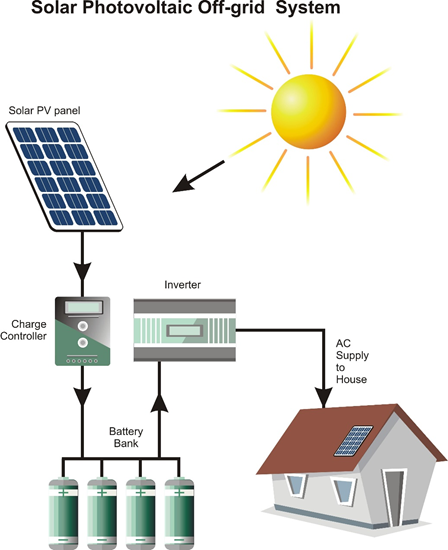
- Smart Technology Integration: Active development of smart grid technologies and advanced energy storage solutions to overcome initial investment and maintenance challenges.
- Expansion Roadmap: Future initiatives include developing dedicated solar farms on unused land and expanding rooftop coverage in residential areas.
- Vision for Carbon Neutrality: The Institute is committed to total carbon neutrality, setting a global benchmark for institutional energy independence and environmental responsibility.
